
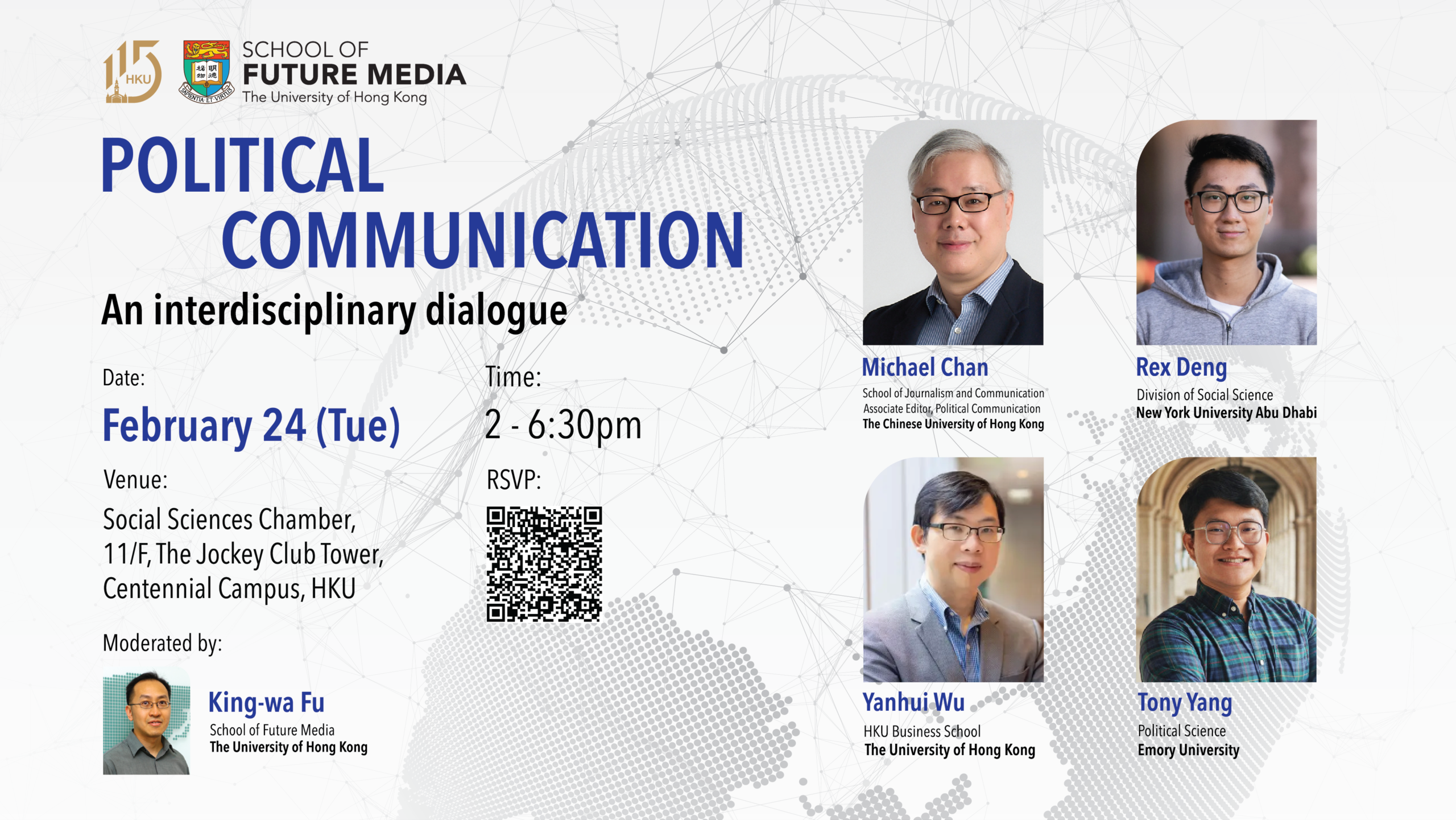
Political Communication: an Interdisciplinary Dialogue
The goal of the event is to bring together scholars studying media and politics across political science, economics, and communication to discuss and debate the frontiers of this research area, creating an interdisciplinary dialogue for new insight. It also aims to enrich the intellectual community on this subject at the HKU and across Hong Kong and provide our colleagues and students with a platform to interact with leading local and international scholars.
Date: 24 February, 2026
Time: 2 - 6:30 PM
Venue: Social Sciences Chamber, 11/F, The Jockey Club Tower, Centennial Campus, HKU

Guest Speakers
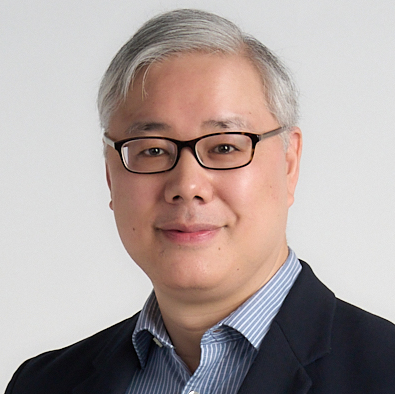
Professor Michael Chan
School of Journalism and Communication, Associate Editor, Political Communication, CUHK
Research title:
Examining the role of news literacy to enhance information integrity and sustainable development goals
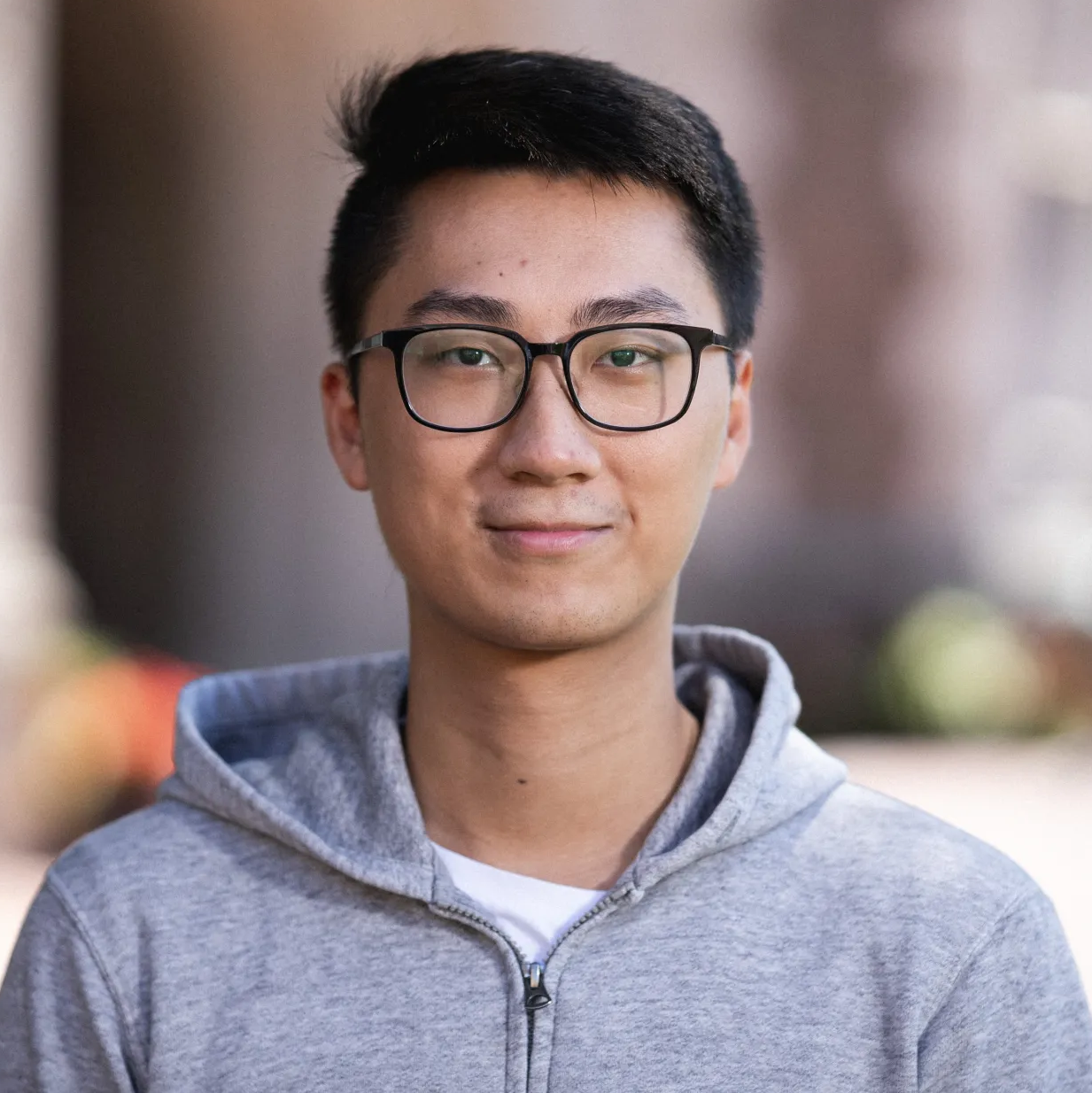
Professor Rex Deng
Division of Social Science, NYU Abu Dhabi
Research title:
Screened Realities: How Entertainment Fosters Political Compliance in Autocracies
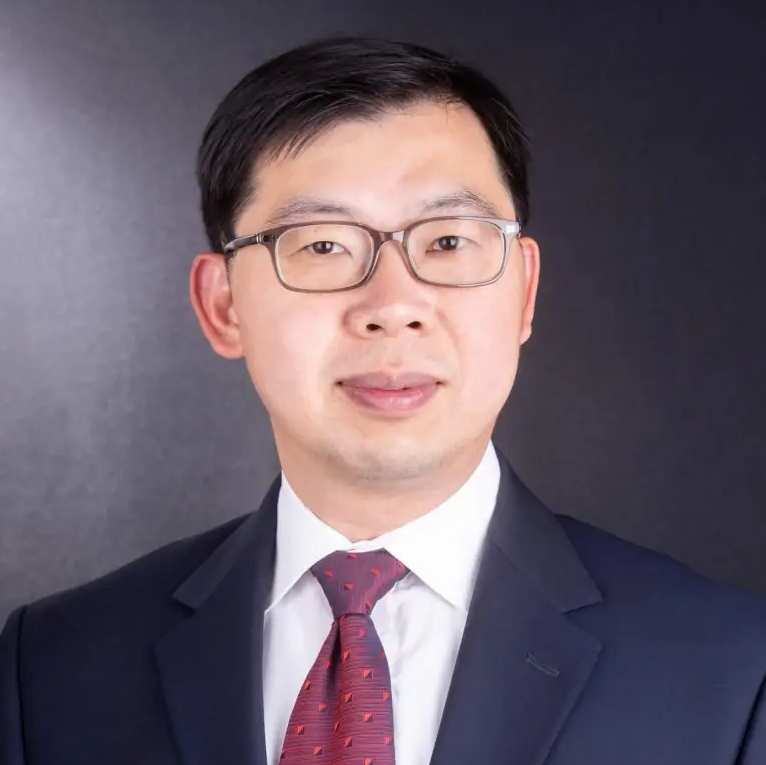
Professor Yanhui Wu
HKU Business School, The University of Hong Kong
Research title:
Influencers and Media Power: The Rise and Fall of Consuming Traditional Chinese Medicines during COVID
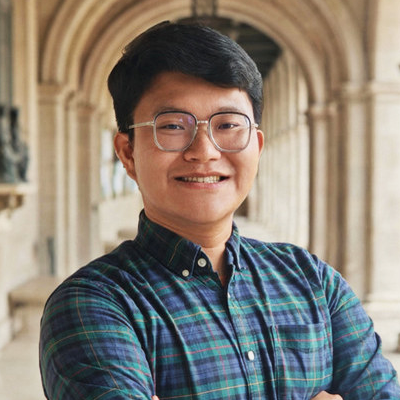
Professor Tony Yang
Political Science, Emory University
Research title:
How Chinese Censorship Allows Public Discourse on Democracies but Not Their Institutions
