Dr. Jamie Wardman offers a personal history of important advances and trends in the evolution of ‘computer-mediated risk perception and communication’ over the past twenty years.
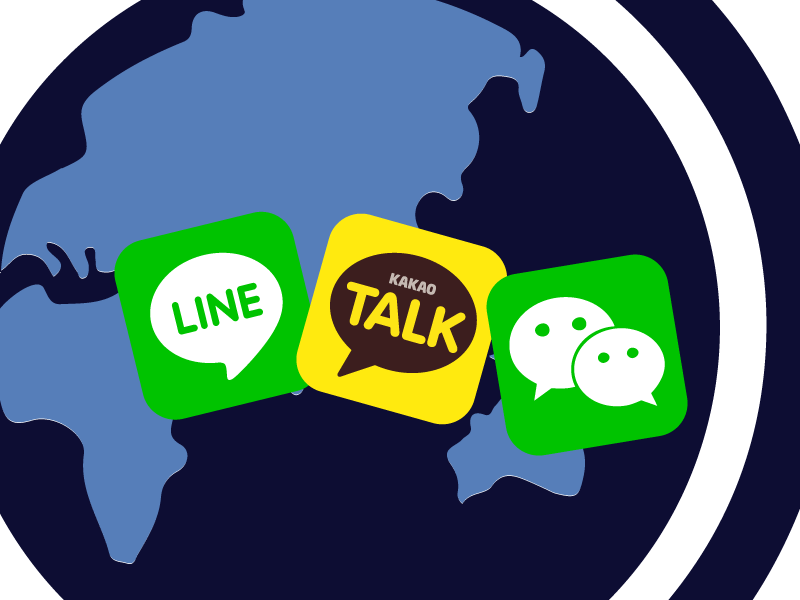
The growth of applications like WeChat, Line, and KakaoTalk have raised questions about the pressures they may face in specific jurisdictions to censor or monitor communications and provide governments with user data. Masashi Crete-Nishihata, from Citizen Lab, will present his research on these issues, as well as how these companies may respond to these demands.
In this talk Dr. Kajimoto examines how university educators in Vietnam, Malaysia and Myanmar adapted a news literacy curriculum initially designed for the students in democratic societies.
Replication is an essential requirement for scientific discovery. The current study aims to generalise and replicate 10 propositions made in previous Twitter studies using a representative dataset.
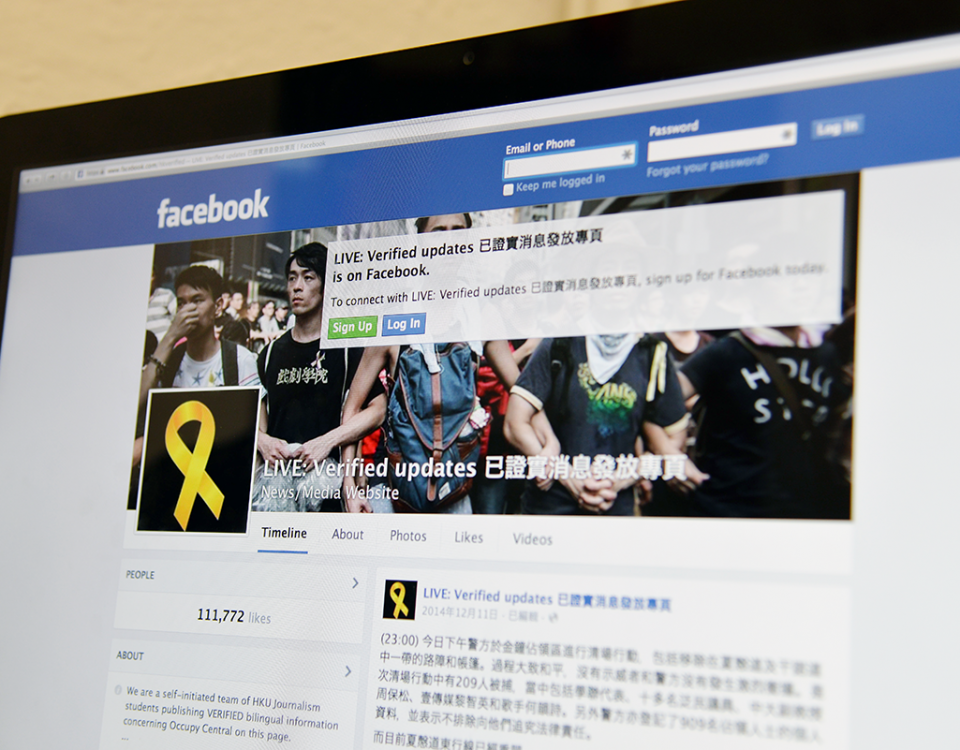
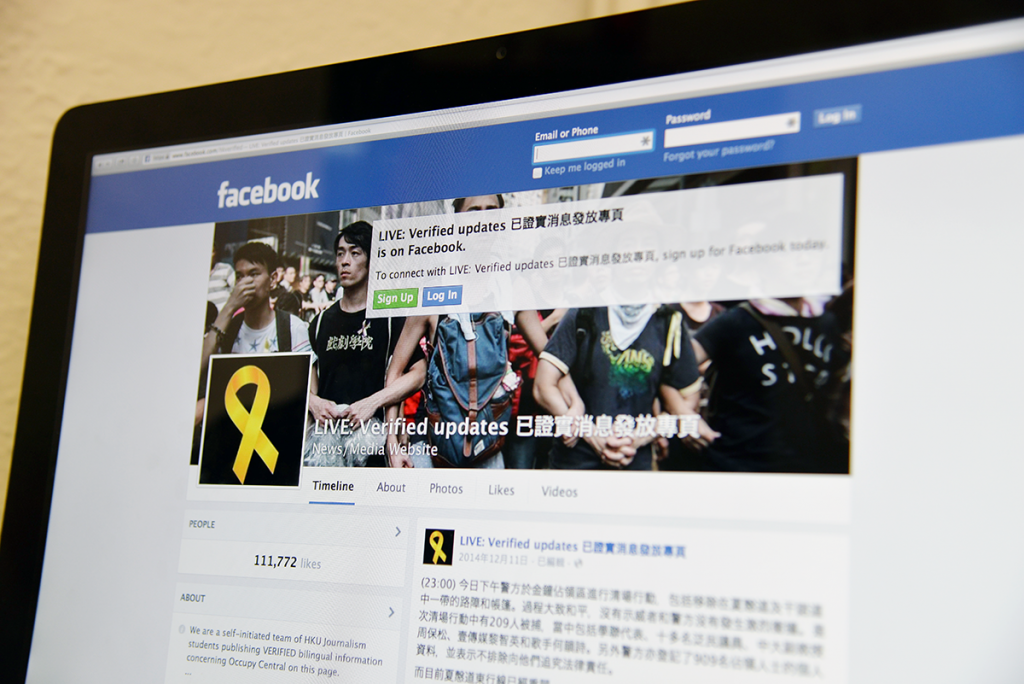
Preliminary results of the social network analysis of the Hong Kong Facebook pages sharing network collected during the “Umbrella Movement” are used to discover the communities within the network and how these communities contributed to the public opinion formation. The findings suggest that large communities of Facebook pages seem to be grouped by political ideologies and their post-sharing activities were associated with real-life public opinion.
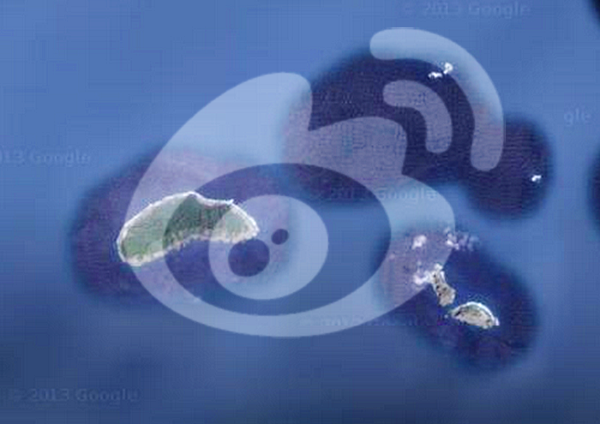
JMSC Research Seminar: Nationalism, anti-Beijing criticism, and censorship on Weibo during the 2012 Diaoyudao (釣魚島) dispute Date: January 23, 2015 Time: 13:00 – 14:00 Venue: Digital Media Lab, G/F, Eliot Hall, JMSC, HKU Abstract: Protests […]